
Have you recently noticed a small ceiling stain that wasn’t there before? Maybe you spotted a few missing shingles after a storm or found gritty granules collecting in your gutters. It’s easy to brush these issues aside. After all, if your roof isn’t actively leaking, it must be fine… right?
Not necessarily.
In regions like Southeastern Pennsylvania and throughout New England, homes are exposed to some of the toughest weather conditions in the country. Heavy snowfalls, nor’easters, strong windstorms, ice dams, spring downpours, and humid summers all take a toll on roofing systems. And what starts as a minor roofing issue can quickly escalate into structural damage and costly emergency repairs if left unaddressed.
Being proactive about roof damage helps you protect your home’s value, preserve energy efficiency, and ensure the safety and comfort of everyone inside. Below, we’ll walk through the most critical warning signs of roof damage that homeowners and property managers should never ignore.
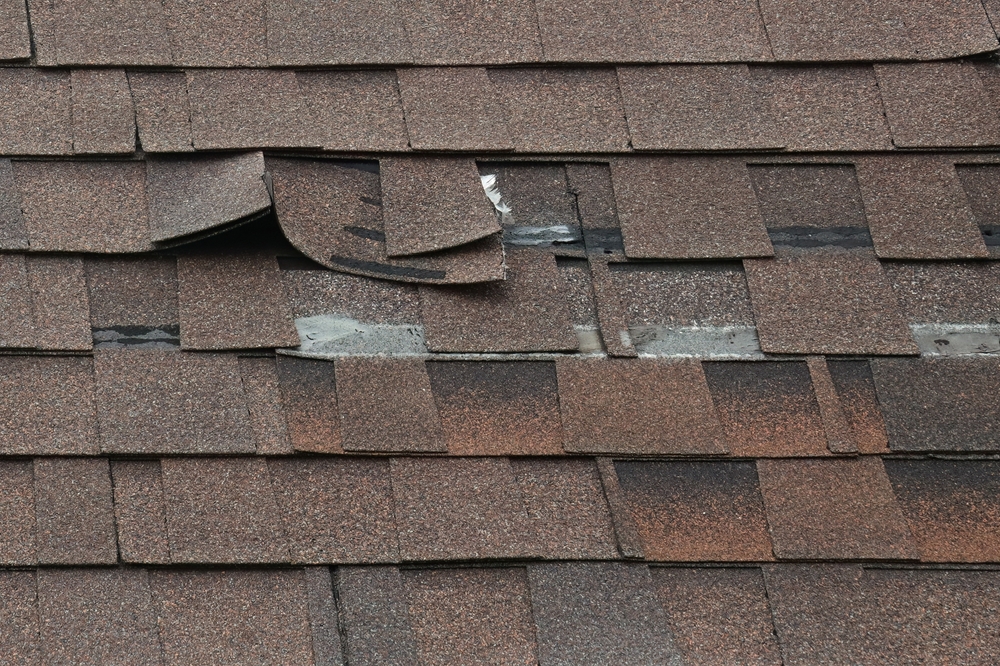
Missing, Cracked, or Curling Shingles
Shingles are your roof’s first line of defense. When they’re compromised, everything beneath them becomes vulnerable.
- Missing Shingles: After strong winds or heavy storms, shingles can loosen or tear away completely. Missing shingles leave exposed underlayment and decking, which can quickly absorb moisture. Even a small exposed section can lead to water infiltration during the next rainstorm.
- Cracked & Curling Shingles: As shingles age, they can become brittle, especially after years of exposure to freeze-thaw cycles and UV radiation. Curling edges or visible cracks indicate that the material is deteriorating and may no longer provide adequate protection.
If you notice shingles in your yard after a storm or see uneven patches on your roofline from the ground, it’s time for a professional inspection. Ignoring these signs can allow water to seep in, leading to rot and insulation damage.
Water Stains on Ceilings or Walls
One of the most obvious signs of roof damage is water staining inside your home.
Brown or yellowish stains on ceilings or upper walls often signal that water has found its way through your roofing system. In some cases, the source of the leak may not be directly above the stain. Water can travel along beams and insulation before dripping down in a different area.
In regions prone to heavy snow and ice accumulation, melting snow can infiltrate small openings in the roof, especially if ice dams have formed. Over time, even minor leaks can lead to:
- Damaged drywall
- Peeling paint
- Warped wood
- Electrical hazards
- Mold growth
If you see water stains, it’s critical to address the issue promptly. Waiting until the leak worsens can turn a manageable repair into a significant restoration project. Call our team as soon as possible to determine if a roof repair is needed.
Sagging Rooflines or Soft Spots
Your roofline should appear straight and level. If you notice any sagging or dipping areas, this may indicate structural damage beneath the surface.
Sagging can result from prolonged moisture exposure, which weakens the roof decking and supporting structures. In areas that experience heavy snow loads, like New England, excess weight can exacerbate existing weaknesses.
Soft spots are another serious concern. If a roofing professional walks on your roof and detects spongy areas, it often means the decking has absorbed moisture and begun to deteriorate.
Structural roof damage doesn’t resolve itself. Left untreated, it can lead to partial roof collapse or significant framing issues. If your roofline appears uneven or you suspect structural weakness, schedule a professional evaluation immediately.
Damaged Flashing Around Chimneys and Vents
Flashing is the thin metal material installed around roof penetrations, such as chimneys, skylights, and vent pipes, to prevent water intrusion. Over time, flashing can:
- Corrode
- Crack
- Lift due to wind
- Separate from surrounding materials
In climates with frequent freeze-thaw cycles, expansion and contraction can gradually loosen flashing, creating small gaps where water can enter.
If you notice rusted flashing, loose metal edges, or water stains near fireplaces or vents, it’s important to have the area assessed by a roofing professional.
Granule Loss or Debris Buildup in Gutters
Have you cleaned your gutters recently and noticed a sandy, gritty substance collecting at the bottom? Those are shingle granules, and their presence can signal advanced wear.
Asphalt shingles are coated with granules that protect them from UV rays and harsh weather. Over time, granules naturally shed. However, excessive granule loss, especially after a storm, may indicate that your shingles are deteriorating.
Granule loss reduces your roof’s ability to repel water and regulate temperature. This can accelerate aging and increase the risk of leaks.
Routine roof inspections can help catch these warning signs before they escalate into larger issues.
Ice Dam Formation During Winter Months
Ice dams are a common and costly issue throughout Southeastern Pennsylvania and New England winters.
An ice dam forms when heat from the attic melts snow on the roof. The melted water runs down toward the colder eaves and refreezes, creating a ridge of ice. As more snow melts, water pools behind the ice dam and can be forced under the shingles. This process can lead to:
- Interior leaks
- Damaged insulation
- Rotting roof decking
- Mold growth
Ice dams often indicate inadequate insulation or ventilation within the attic. If you’ve experienced ice dam formation in the past, it’s essential to address both the roofing and ventilation systems to prevent recurrence.
Mold, Mildew, or Moss Growth
Dark streaks, green patches, or moss growth on your roof may seem cosmetic at first glance, but they can signal deeper concerns.
Moss retains moisture against the roof surface, which can accelerate shingle deterioration. In humid summer conditions common throughout the Northeast, moisture buildup can promote algae and mildew growth as well.
Over time, persistent moisture can weaken roofing materials and create opportunities for water infiltration.
If you notice widespread discoloration or vegetation growth on your roof, professional cleaning and inspection may be necessary to assess the underlying condition of the shingles.
Protect Your Investment With Professional Roofing Support
Your roof is one of the most important components of your home or commercial property. It shields everything beneath it from the elements year-round. When warning signs appear, taking swift action can mean the difference between a simple repair and a costly replacement.
Working with an experienced, trusted roofing contractor ensures that issues are properly diagnosed and resolved using materials and methods designed for regional weather demands.
JB Roofing Systems provides comprehensive inspections, expert repairs, and full roof replacements tailored specifically to the challenging climate conditions of Southeastern Pennsylvania and New England. Whether you’re dealing with storm damage, aging shingles, ice dams, or subtle warning signs you’re unsure about, our team can evaluate the problem and recommend the right solution.
Reach out today for a professional roof evaluation and protect your property before minor roof damage turns into a major expense.